
Optimal Timing for Asphalt Sealings
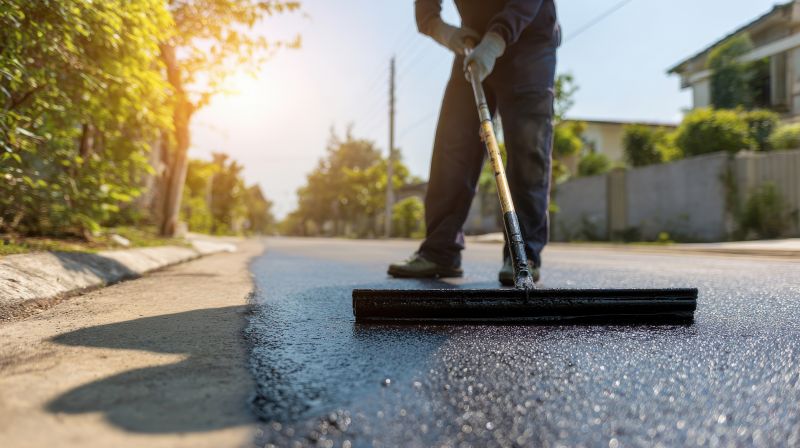
Spring offers moderate temperatures and low precipitation, ideal for sealing asphalt surfaces.
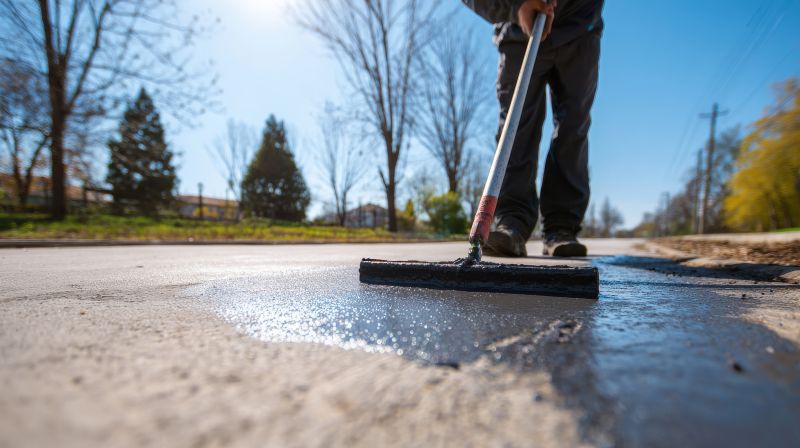
Summer provides warm weather, but high temperatures and humidity can affect curing times and adhesion.
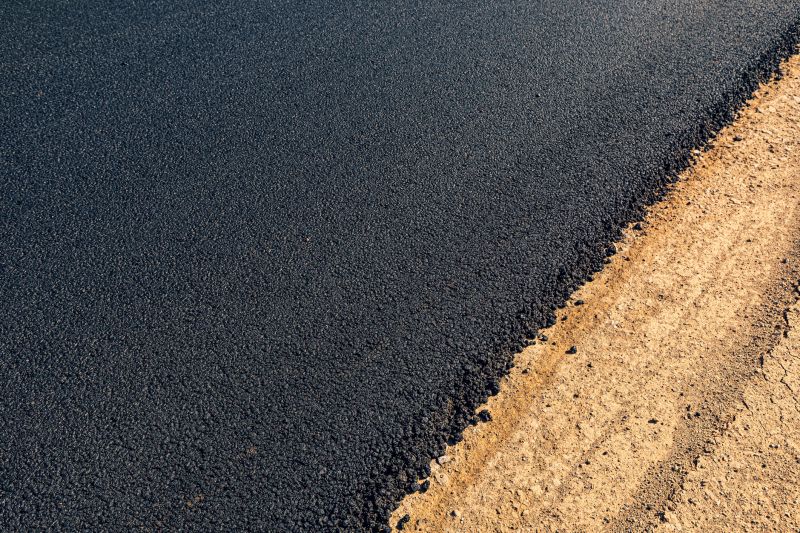
Fall's cooler temperatures and lower humidity levels make it suitable for sealing projects before winter.
Ways to make Asphalt Sealings work in tight or awkward layouts.
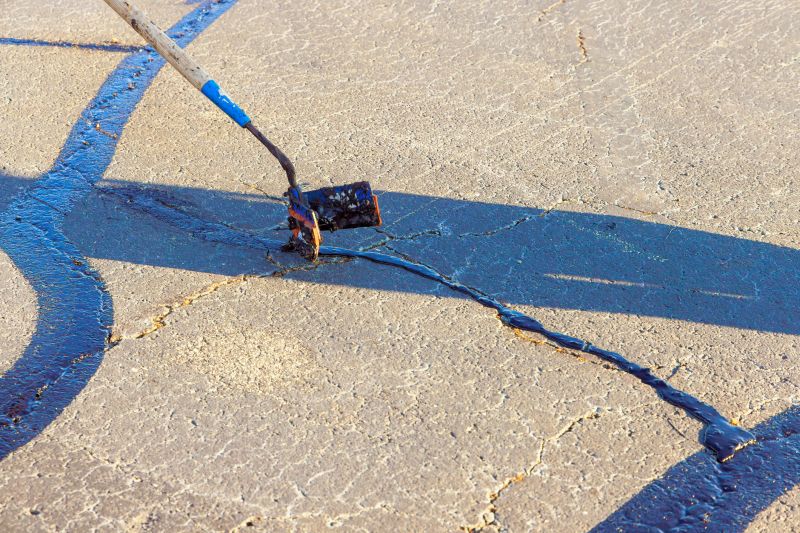
Popular materials for Asphalt Sealings and why they hold up over time.
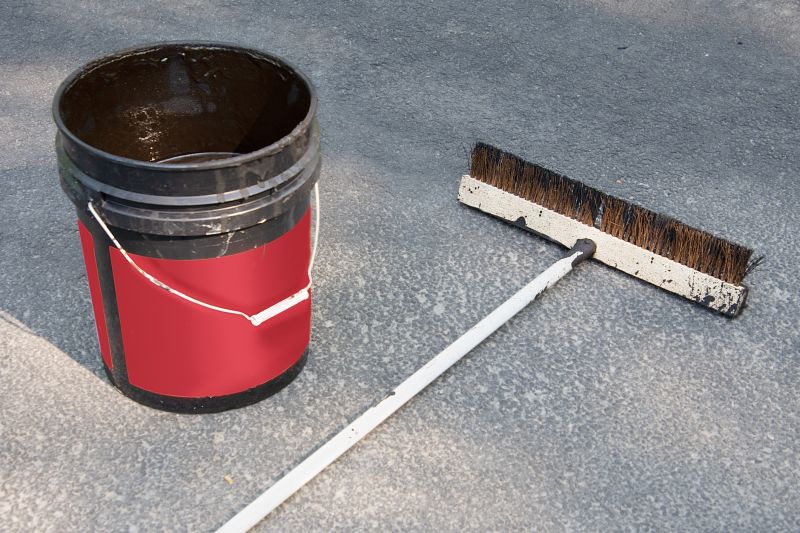
Simple add-ons that improve Asphalt Sealings without blowing the budget.
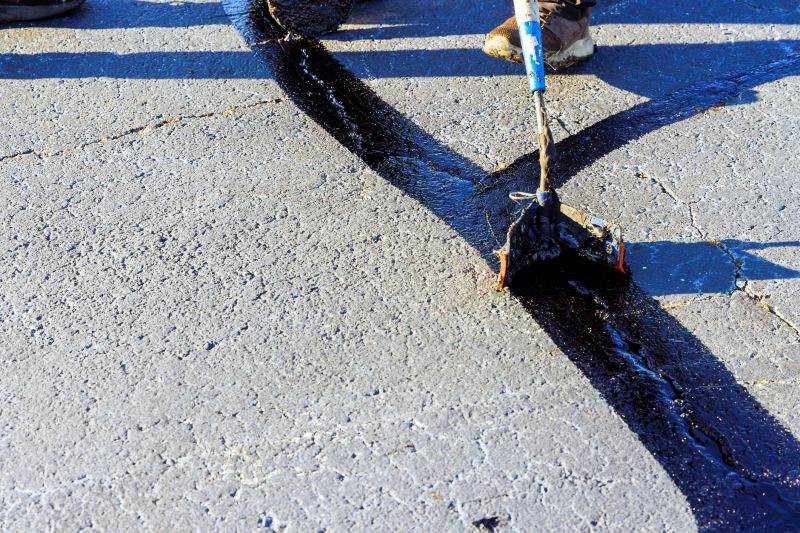
High-end options that actually feel worth it for Asphalt Sealings.
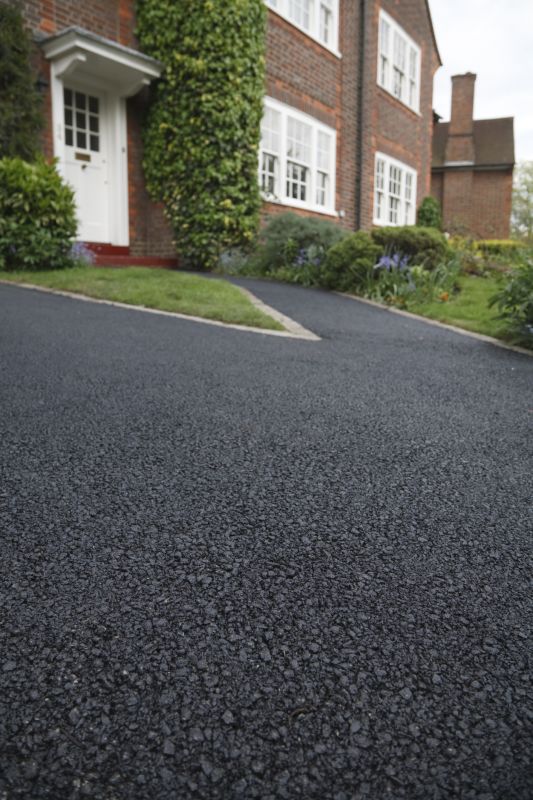
Finishes and colors that play nicely with Asphalt Sealings.
Asphalt sealings are a protective coating applied to asphalt pavements to prevent damage from water, UV rays, and other environmental factors. Proper sealing extends the lifespan of asphalt surfaces, reduces maintenance costs, and improves appearance. The process involves cleaning the surface thoroughly, applying the sealant evenly, and allowing adequate curing time. Sealings are most effective when performed during periods of stable, moderate weather conditions, avoiding extreme cold or heat.
Ideal temperatures for asphalt sealings are between 50°F and 85°F to ensure proper adhesion and curing.
Avoid sealing during rain, snow, or high humidity to prevent issues with sealant bonding and curing.
Late spring and early fall are typically the best seasons for sealings, providing stable weather conditions.
Proper timing of sealings can significantly extend the life of asphalt surfaces, saving money on repairs.
| Season | Recommended Timing |
|---|---|
| Spring | Late March to early June |
| Summer | Early to mid-summer, avoiding peak heat |
| Fall | September to November |
| Winter | Not recommended due to low temperatures |
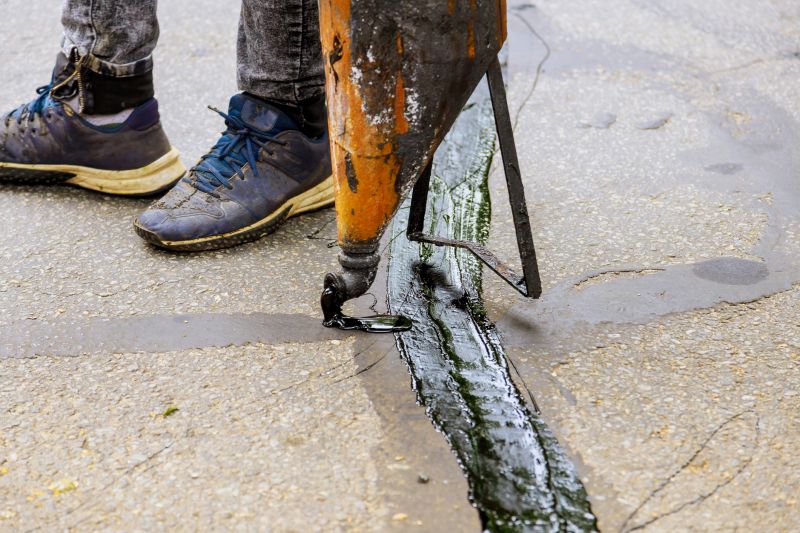
Spring's moderate temperatures help ensure effective sealant curing.
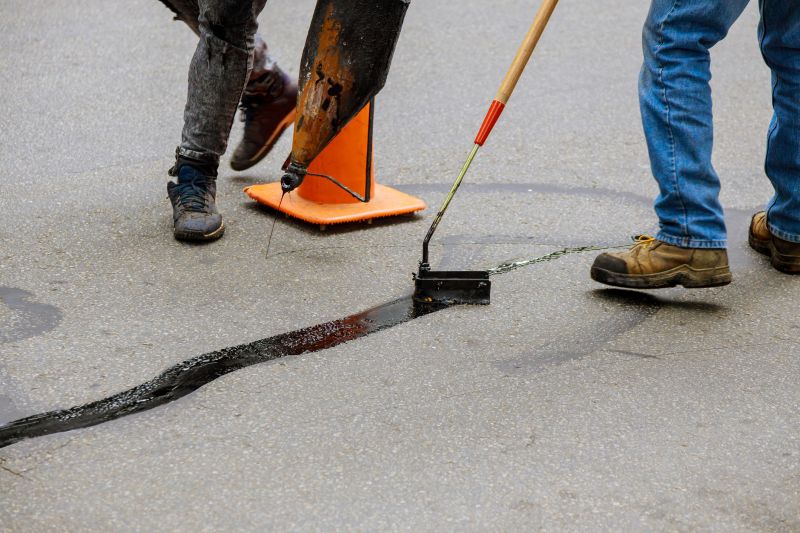
Summer requires careful timing to avoid high heat that can compromise adhesion.
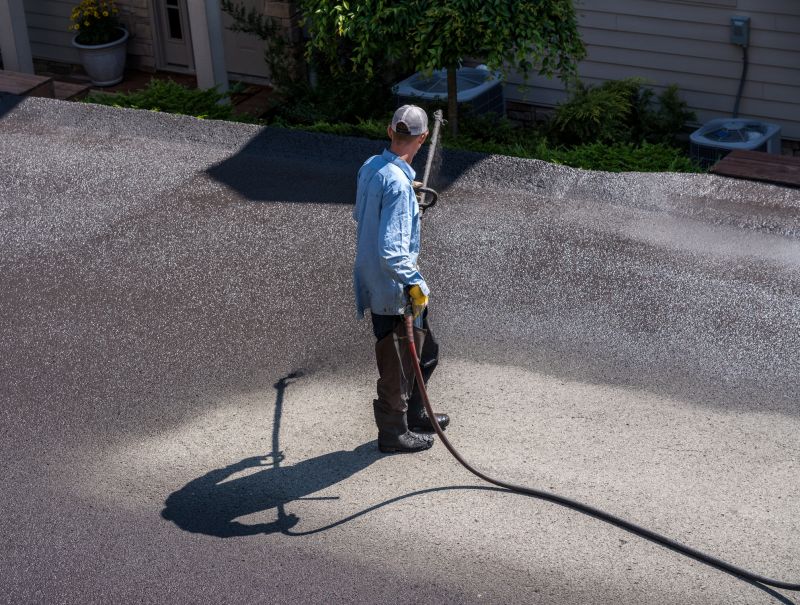
Fall provides cooler weather, ideal for sealing before winter.
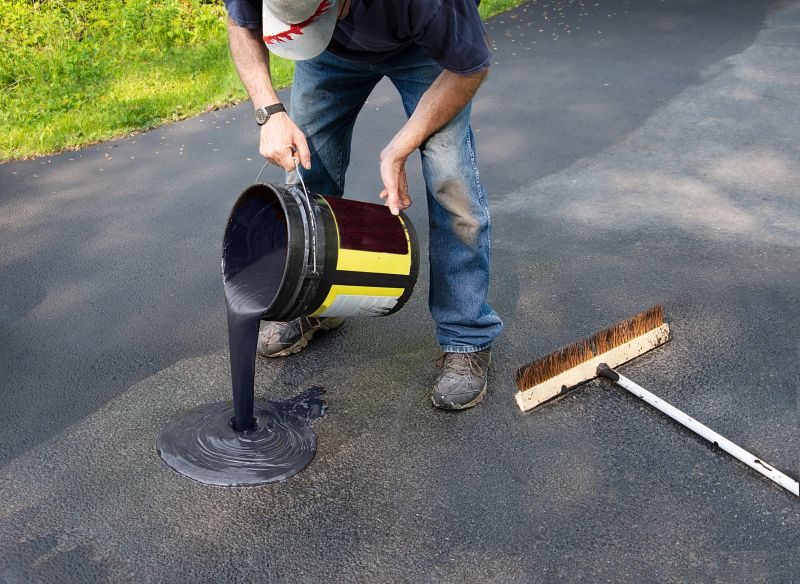
Sealings are generally not performed during winter due to low temperatures.
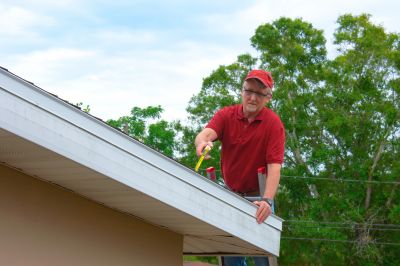
Little measurements that prevent headaches on Asphalt Sealings day.
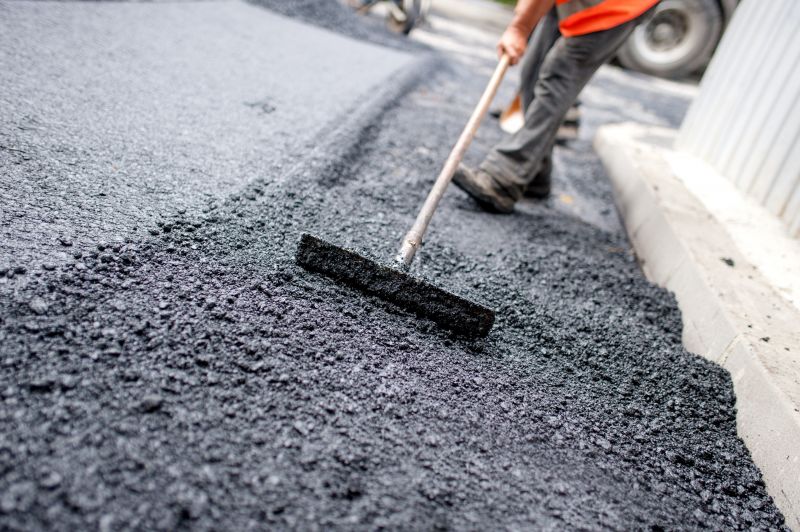
A 60-second routine that keeps Asphalt Sealings looking new.
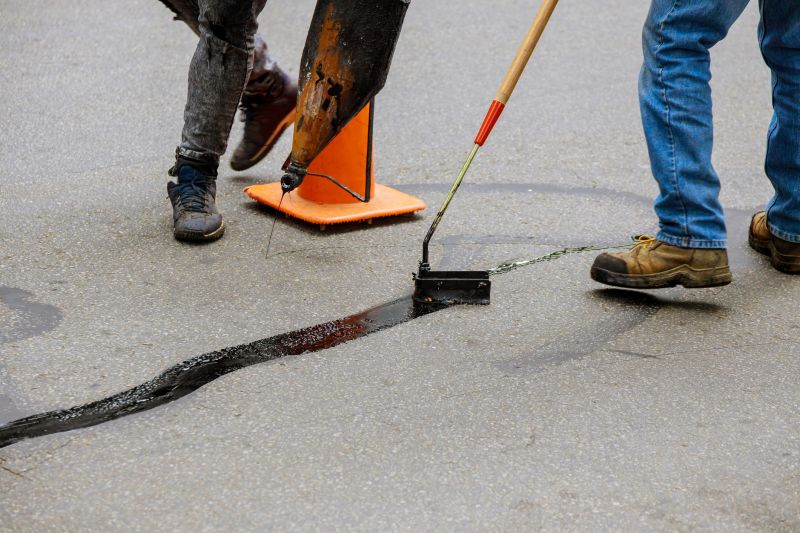
A frequent mistake in Asphalt Sealings and how to dodge it.
Small tweaks to make Asphalt Sealings safer and easier to use.
Choosing the right time for asphalt sealings is crucial to maximize durability and effectiveness. Proper scheduling ensures the sealant bonds well with the pavement and cures correctly, providing long-lasting protection. Weather patterns, temperature stability, and environmental conditions are key factors influencing the optimal timing for sealing projects.
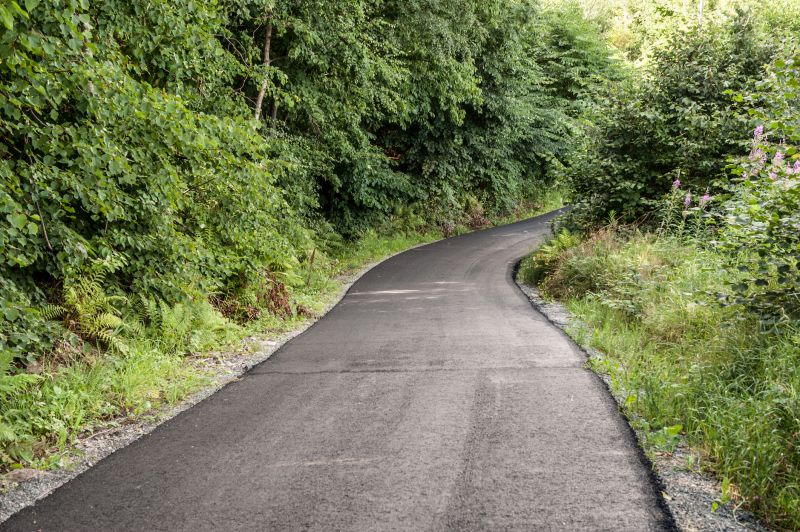
A freshly sealed asphalt surface ready for use.
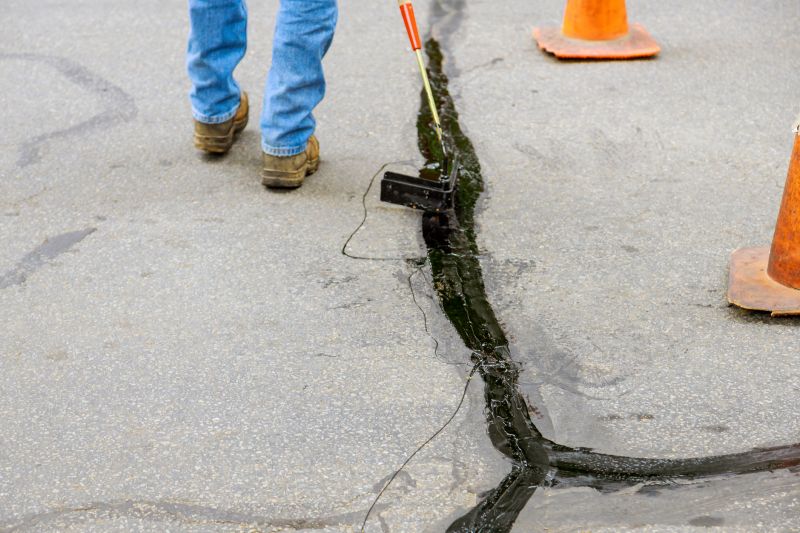
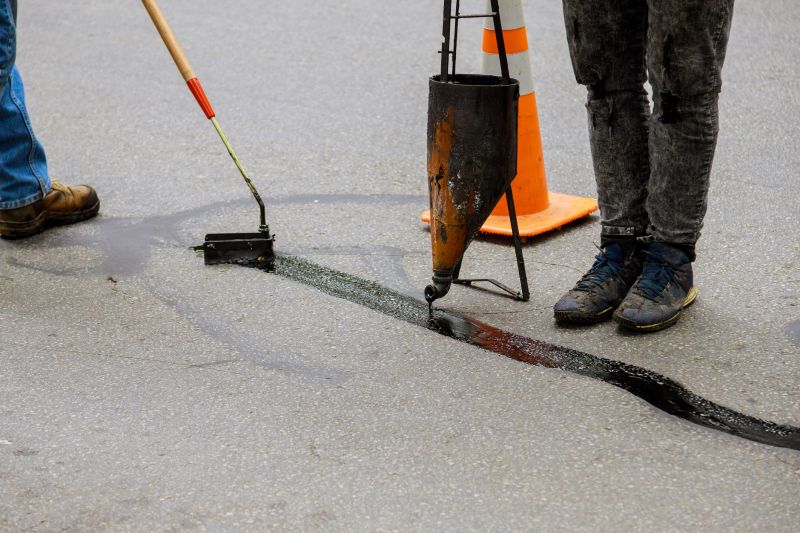
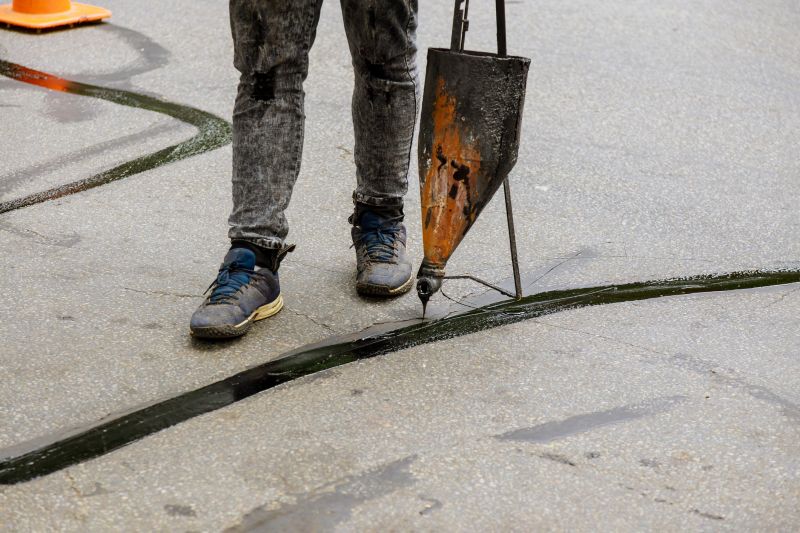
Technicians evenly applying sealant to ensure full coverage.
Sealant curing under ideal weather conditions for maximum protection.
Lower-waste or water-saving choices for Asphalt Sealings.
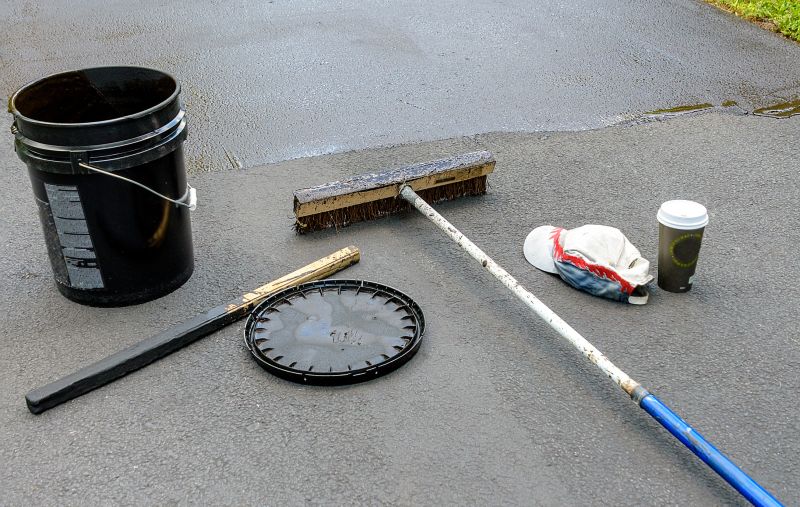
The short, realistic tool list for quality Asphalt Sealings.
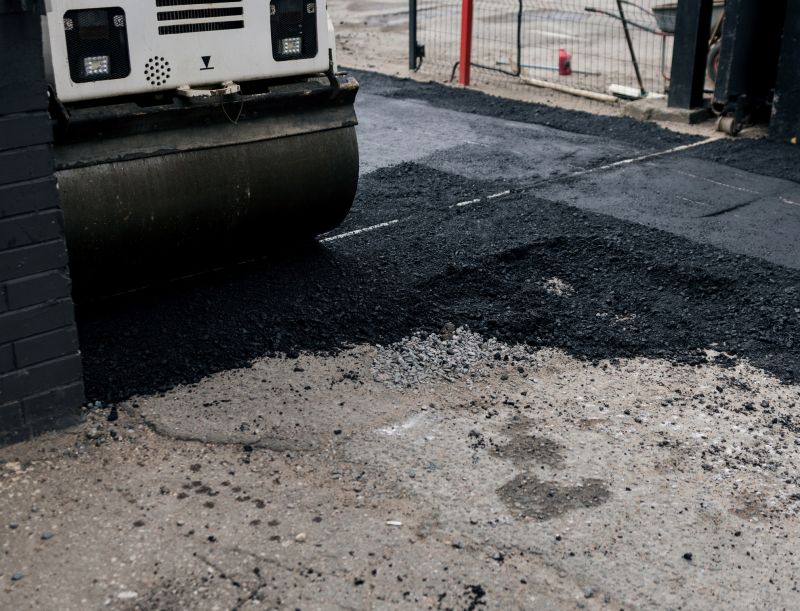
Rough timing from prep to clean-up for Asphalt Sealings.
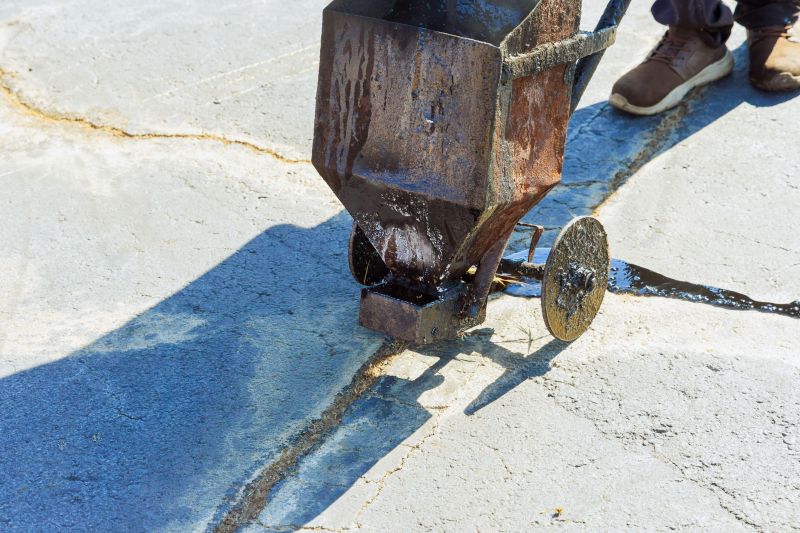
Quick checks and paperwork to keep after Asphalt Sealings.
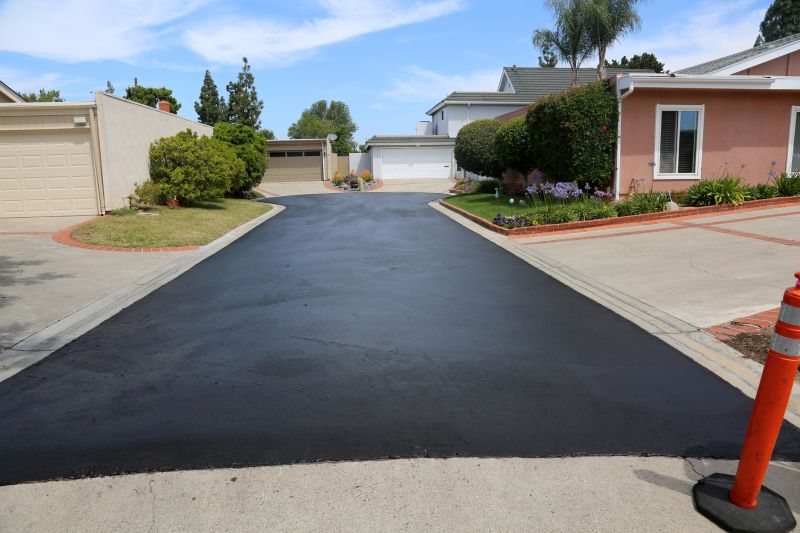
Examples that show the impact a good Asphalt Sealings can make.
Properly timed asphalt sealings contribute to the longevity and performance of pavement surfaces. Regular maintenance and sealing during suitable seasons help prevent cracks, potholes, and surface deterioration, maintaining the property's value and safety.